
Sealant, solid tyres and city punctures

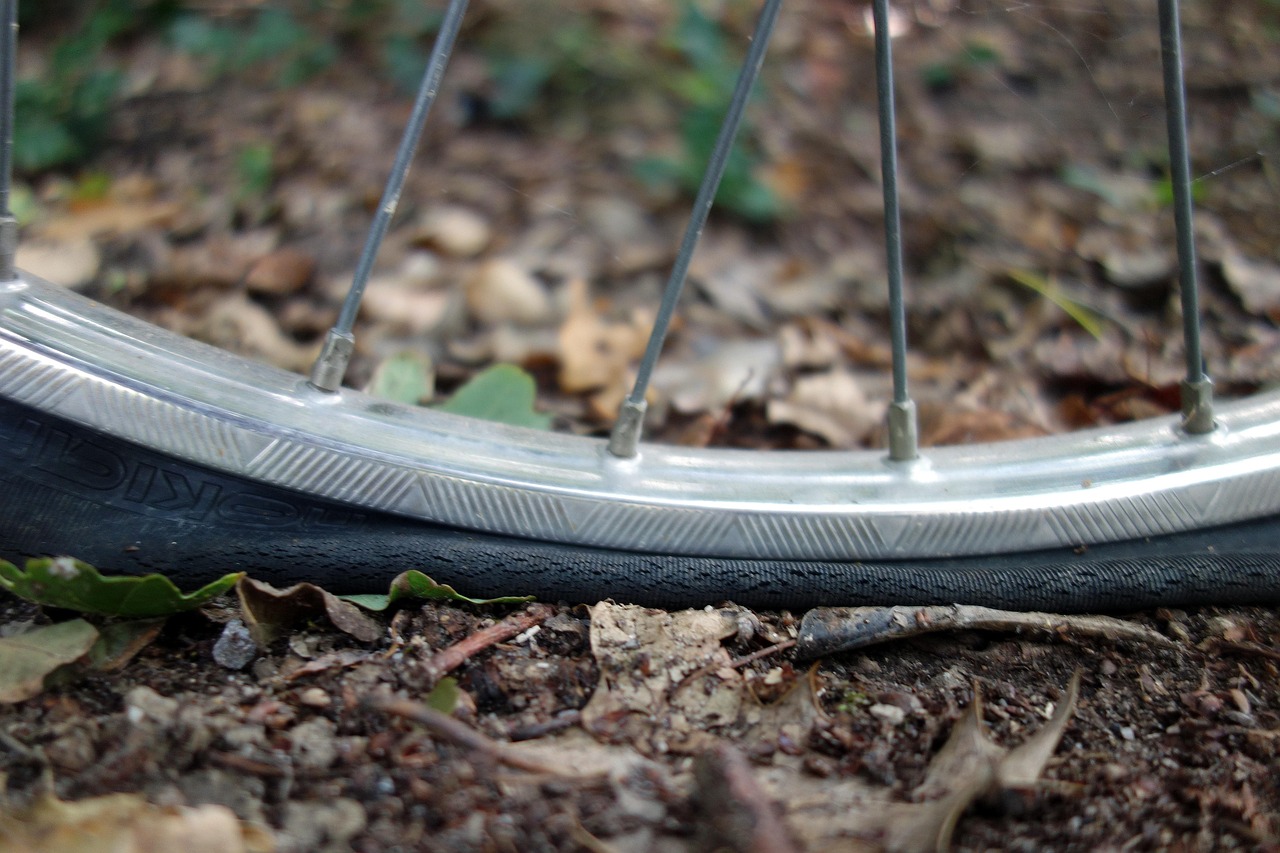
Punctures are an unfortunate reality for cyclists, especially in urban environments where debris and uneven surfaces are common. Understanding how to deal with them effectively can save you time and frustration. This article will explore the role of sealant, the advantages and disadvantages of solid tyres, and how to navigate city punctures.
Sealant is often used in the inner tubes of bicycles and e-bikes to provide an extra layer of protection against punctures. While it can be effective, it has its limitations. Solid tyres, on the other hand, offer a puncture-free ride but come with trade-offs that may affect your cycling experience.
Understanding Sealant
Sealant is a liquid solution that is added to inner tubes or tubeless tyres. When a puncture occurs, the sealant seeps into the hole and solidifies, effectively sealing it. This can help prevent air loss and keep you riding without immediate repairs.
However, sealant is not a cure-all. It works best on small punctures and may struggle with larger ones or cuts. Additionally, sealant can dry out over time, requiring regular maintenance and replacement to ensure effectiveness.
How Sealant Works
The mechanics of sealant involve a combination of viscosity and reaction to air. When a puncture occurs, the sealant quickly seeks out the escaping air and fills the gap. This process can happen within minutes, allowing you to continue your ride without stopping.
It’s essential to regularly check the condition of the sealant in your tyres. If it has dried out or separated, its ability to seal punctures diminishes significantly. Keeping your sealant fresh is key to maintaining puncture resistance.
Limitations of Sealant
While sealant is beneficial, it does have limitations that riders should be aware of. It may not effectively seal larger punctures or tears, which can leave you stranded. Moreover, sealant can be messy, and cleaning it up after a repair can be a hassle.
Sealant can also affect the balance of your tyre, especially if it has settled unevenly. This can lead to a bumpy ride or handling issues. Therefore, it’s prudent to consider the specific riding conditions you face when deciding to rely on sealant.
Solid Tyres: An Overview
Solid tyres are designed to eliminate the risk of punctures entirely. Made from durable materials, they provide a consistent riding experience without the need for sealant or air pressure maintenance. This makes them an attractive option for urban cyclists.
However, solid tyres often sacrifice some comfort and performance. They tend to be heavier than traditional tyres, which can affect acceleration and handling. Additionally, the ride may feel harsher, especially on uneven surfaces, making them less suitable for long-distance rides.
Pros and Cons of Solid Tyres
There are several benefits to using solid tyres, including their puncture-proof nature and low maintenance requirements. They can be ideal for commuters who want a hassle-free ride without worrying about flats.
- Pros: No punctures, low maintenance, consistent performance.
- Cons: Heavier, less comfortable, can affect ride quality.
Choosing the Right Tyres for City Riding
Selecting the best tyres for city riding involves balancing comfort, performance, and durability. Consider your typical riding conditions, such as road quality and the presence of debris. If you frequently encounter rough patches, solid tyres might be worth considering.
Conversely, if your rides include longer distances or varied terrain, traditional tyres with sealant may offer a more comfortable and efficient experience. Evaluate your riding style and choose accordingly to enhance your cycling experience.
Maintaining Your Tyres
Regular maintenance is essential for both sealed and solid tyres. For sealed tyres, check the sealant level periodically and replenish it as needed. Inspect the tyres for any signs of damage or wear that could affect performance.
For solid tyres, although they require less maintenance, it’s still crucial to check for any cracks or deformities. Keeping your tyres in good condition will ensure a smoother ride and better handling on the road.
When to Seek Professional Help
Sometimes, despite your best efforts, tyre issues can arise that require professional attention. If you encounter persistent punctures or unusual wear patterns, it may be time to consult with a bicycle technician.
A professional can assess your tyres and provide recommendations tailored to your riding needs. This can help ensure that you are equipped with the right tools and knowledge to handle any cycling challenges you may face.
The short version
For city cyclists, choosing between sealant and solid tyres involves understanding their respective benefits and limitations. Sealant can effectively manage small punctures but requires maintenance, while solid tyres eliminate flats at the cost of comfort and performance. Assess your riding style and conditions to make the best choice for your needs.
The Role of Sealants and the Trade-offs of Solid Tyres
Sealant is designed to quickly seal punctures in tubeless tyres by forming a flexible plug when it encounters air loss. It effectively closes small holes caused by thorns or small debris, ensuring a smooth ride. However, sealant may not be effective against larger punctures or cuts, which can still lead to air loss and require professional repair or tyre replacement.
On the other hand, solid tyres eliminate the risk of punctures entirely, offering a maintenance-free experience. However, this comes with trade-offs, such as increased weight and reduced shock absorption, which can affect ride comfort and performance. Riders must weigh the convenience of solid tyres against the benefits of traditional inflatable options, depending on their cycling needs.
Where to go next
Everything discussed here lives in Drivetrain and Tyres. If you are weighing two options and cannot decide, the answers page covers the questions we get asked most, and a message reaches the people who pack the orders.
From that section
- 16×2.125 Electric Bicycle Solid Tire, Non-Inflation, Explosion-Proof
- Box Four 8 Speed Mountain Bike Chain 116L Natural Finish
- Wolf Tooth WT-G Precision Bike Grease – 2oz