
Finding a saddle that suits an upright riding position

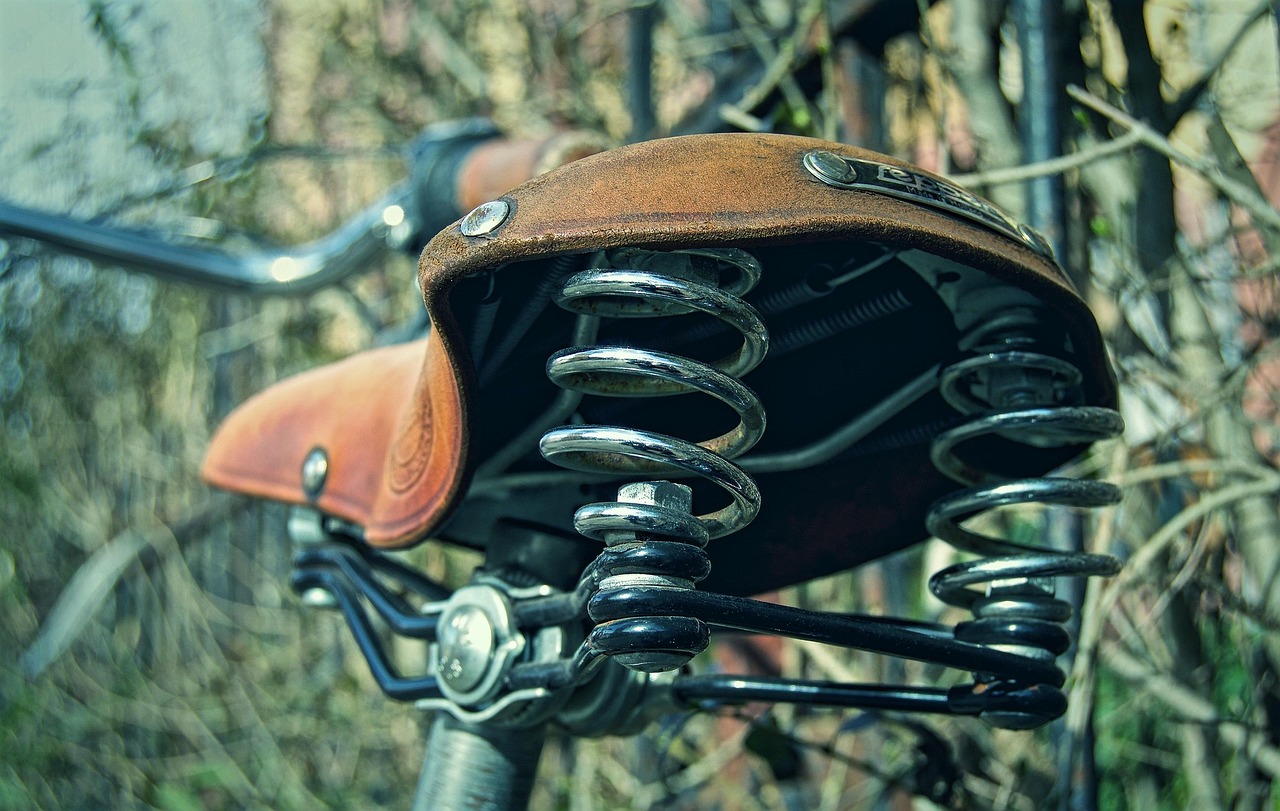
Finding the right saddle can make a significant difference in your cycling experience, especially if you prefer an upright riding position. Comfort is crucial, whether you’re commuting in the city or enjoying a leisurely ride. Understanding how different saddle characteristics affect your comfort can help you make a more informed choice.
When selecting a saddle, consider factors like sit-bone width, padding versus support, and nose angle. It’s important to give yourself time to adapt to a new saddle, so allow for a two-week adjustment period. This article will guide you through these key aspects to find a saddle that suits your needs.
Understanding Sit-Bone Width
Your sit-bone width is a primary factor in choosing a saddle. This measurement reflects the distance between your sit bones when you are seated. A saddle that is too narrow can lead to discomfort, while one that is too wide can cause chafing. To find the right fit, consider measuring your sit-bone width before making a purchase.
Many bike shops offer sit-bone measurement tools or pads that leave an impression. This can be an effective way to determine the ideal saddle width for your body. Remember that different manufacturers may have slightly different sizing, so always verify the specifications for the saddle you are considering.
Padding vs. Support
When it comes to saddle comfort, padding and support both play vital roles. While a well-padded saddle may feel good at first, too much padding can lead to soreness on longer rides. Conversely, a saddle with minimal padding may initially seem uncomfortable but can provide the necessary support once you are accustomed to it.
Choose a saddle that balances both padding and support. Look for materials that offer good cushioning while maintaining a firm base. This way, you can enjoy comfort without compromising on support, allowing for a better riding experience over time.
Nose Angle Matters
The angle of the saddle nose can significantly affect your comfort, particularly for upright riders. An excessively pointed nose may cause discomfort during rides, while a more level design can provide better stability. Finding the right angle is a personal preference that can influence how you position yourself on the bike.
Test different saddle designs to see which angle feels most comfortable. Some riders may prefer a slightly wider nose to provide more support, while others might opt for a narrower design to allow for greater freedom of movement. Your riding style will guide your choice here.
Two-Week Adjustment Period
After choosing a saddle, give yourself a two-week adjustment period. It’s common for riders to experience some discomfort as they adapt to a new saddle. During this time, your body will begin to acclimate, and what feels uncomfortable initially may become more tolerable.
During the adjustment period, try to ride consistently to allow your body to adapt. If discomfort persists beyond two weeks, it may be worth reevaluating your saddle choice. Remember that everyone’s anatomy is different, and finding the perfect fit may take some experimentation.
Different Saddle Styles
Saddles come in various styles, each catering to different types of riding. For an upright position, consider options like wider and more cushioned saddles that provide ample support. These are designed for comfort during longer rides and are ideal for city commuting.
Additionally, some saddles come with cut-outs or grooves to relieve pressure on sensitive areas. Exploring these styles may lead to a more comfortable riding experience. Test out different options to see which style aligns best with your needs.
Material Considerations
The materials used in saddle construction can affect both comfort and durability. Common materials include synthetic covers, leather, and various foam types. Synthetic materials often provide weather resistance, while leather can offer a classic feel and mold to your shape over time.
When choosing a saddle, consider your riding environment and personal preferences regarding material. A saddle that works well in urban settings may not be suitable for extended trail rides. Evaluate your needs to make the best choice for your riding habits.
Testing Saddles Before Purchase
Whenever possible, test saddles before you buy. Many local bike shops offer test programs or demo saddles that you can try on your bike. This hands-on experience can help you find the perfect fit, as comfort can be subjective and varies from person to person.
Ride for a short distance and pay attention to how the saddle feels during different riding positions. If available, try sitting on the saddle for a few moments while stationary. This will give you a sense of how it aligns with your sit-bone width and overall comfort.
Seeking Expert Advice
Don’t hesitate to consult with professionals when selecting a saddle. Experienced bike shop staff can provide valuable insights based on your riding style and preferences. They can help you navigate through different options and recommend saddles that align with your specific needs.
In addition, joining local cycling groups or forums can provide further recommendations. Fellow cyclists often share their experiences and can guide you towards saddles that they have found comfortable in similar riding conditions.
The short version
Selecting the right saddle for an upright riding position involves understanding your sit-bone width, balancing padding and support, and considering the nose angle. Allow for a two-week adjustment period and test different styles and materials. Seek expert advice to ensure you find a saddle that meets your comfort needs.
Where to go next
Everything discussed here lives in Saddles and Comfort. If you are weighing two options and cannot decide, the answers page covers the questions we get asked most, and a message reaches the people who pack the orders.
From that section
- SZYNIC Extra Wide Bicycle Seat with Dual Shock Absorption
- Sunlite Cloud-9 Comfort Select Tri-color Saddle
- Planet Bike A.R.S. Classic Bike Seat for Men