
Carrying a shop home on a bike

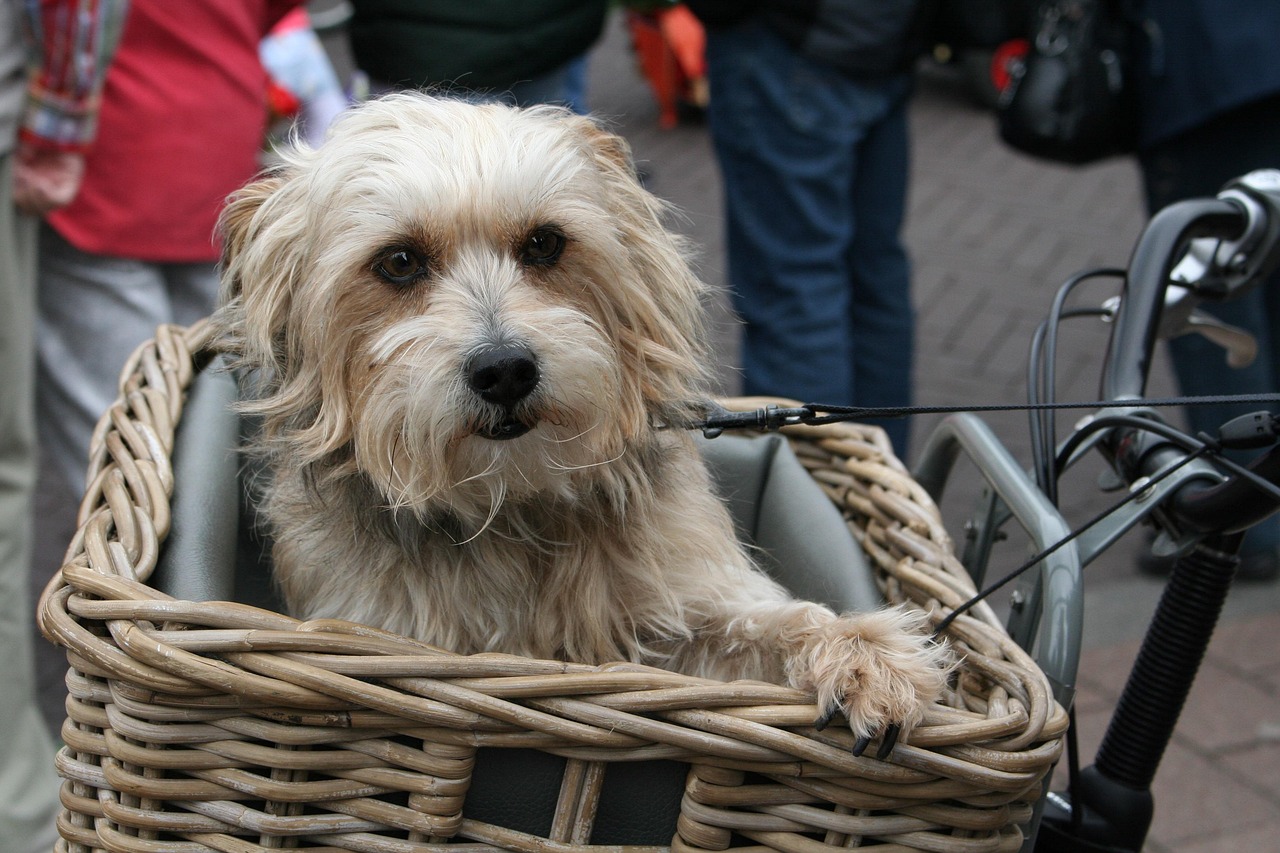
Carrying items on a bike requires careful consideration of load limits and balance. Whether you’re commuting with groceries or transporting tools for a workshop, understanding how to properly distribute weight can make a significant difference in your riding experience.
Racks and baskets can offer convenient storage solutions, but each option has its own characteristics. Understanding these can help you select the right setup for your needs, ensuring a safe and enjoyable ride.
Understanding Rack Load Limits
Every bicycle rack comes with a specified load limit that indicates how much weight it can safely support. Exceeding this limit can lead to equipment failure or unstable riding conditions. Always check the manufacturer’s guidelines to determine the maximum load capacity for your rack.
When loading your rack, consider both the weight and the distribution of that weight. A balanced load enhances stability and steering control, making your ride safer and more enjoyable. Aim to stay well below the stated limit, allowing for some extra weight if necessary.
The Importance of Weight Distribution
Weight distribution plays a crucial role in how your bike handles. A load that is too heavy at the back can cause the front wheel to lift slightly, impairing steering and balance. Conversely, placing too much weight in the front can make steering cumbersome and hard to control.
To achieve optimal weight distribution, try to keep heavier items low and centered on the bike. This helps maintain a balanced center of gravity, which is essential for stability and comfort while riding.
Baskets vs. Panniers
Baskets and panniers each offer unique advantages and disadvantages. Baskets tend to be easier to access during a ride, making them suitable for items you might need quickly, like a water bottle or a small package.
Panniers, on the other hand, provide a more secure storage option for larger loads. They tend to keep the weight lower and closer to the bike frame, which can improve handling and stability. Consider your needs carefully when choosing between the two options.
Weight Limit Considerations for Baskets
Baskets are generally less suitable for heavy loads compared to racks. Many baskets have a weight limit that should not be exceeded to avoid compromising safety and stability. Typically, a basket can handle lighter items like groceries or personal gear.
When using a basket, place heavier items at the bottom and avoid overloading it. This setup helps maintain balance and ensures your steering remains responsive. Regularly check the basket’s attachment to the bike to ensure it remains secure during rides.
Pannier Load Management
When using panniers, managing how weight is distributed between them can greatly affect your riding experience. If one pannier is significantly heavier than the other, it can lead to imbalanced handling.
To mitigate this, evenly distribute items between both panniers. If you need to carry a particularly heavy item, consider placing it in the lower section of the pannier, closer to the bike frame, to lower the center of gravity and enhance stability.
Adjusting to Steering Changes
Adding weight to your bike can change how it steers. Heavier loads can cause a bike to feel sluggish, especially when navigating turns or making quick stops. This change can be disorienting for riders accustomed to a lighter bike.
To adapt, practice maneuvering your bike with the added weight in a safe area. This will help you understand how the bike reacts and allow you to make necessary adjustments to your riding style for better control.
Choosing the Right Accessories
When looking for racks and baskets, consider those designed specifically for your bike type. Compatibility ensures that the accessories fit correctly and function as intended. This is especially important for e-bikes, which may have different requirements compared to traditional bicycles.
Quality accessories can enhance your riding experience. Look for racks and baskets made from durable materials that can withstand the rigors of daily use. Investing in good quality gear can save you from potential issues down the line.
Maintaining Your Gear
Regular maintenance of your racks and baskets is essential for safety and longevity. Inspect them periodically for signs of wear and tear, such as rust or loose connections. A well-maintained setup will perform better and keep your load secure.
Clean your racks and baskets regularly to remove debris or dirt that can compromise their integrity. Lubricate any moving parts to ensure smooth operation. This attention to detail can greatly extend the life of your accessories.
The short version
To safely carry items on your bike, always adhere to load limits and ensure proper weight distribution. Choose between baskets and panniers based on your needs, and practice handling the bike with added weight. Regular maintenance of your gear is crucial for safety and performance, ensuring that your cycling experience remains enjoyable.
Understanding Rack Load Limits and Weight Distribution
When carrying goods on your bike, it’s essential to be aware of rack load limits. Exceeding these limits can affect your bike’s handling and safety. A properly rated rack can carry a significant load, but you must balance the weight evenly to maintain stability, especially during turns or sudden stops.
Choosing between a basket and panniers can also impact weight distribution. Baskets placed on the front can shift the center of gravity forward, affecting steering. In contrast, panniers mounted on the rear help distribute weight more evenly, providing better control. Understanding these dynamics ensures a safer and smoother ride while transporting your shop home.
Where to go next
Everything discussed here lives in Racks and Baskets. If you are weighing two options and cannot decide, the answers page covers the questions we get asked most, and a message reaches the people who pack the orders.
From that section
- Topeak MTX 2.0 Rear Bike Rack with Adjustable Extenders
- ANGGOER Rear Bike Rack with Basket, 165 LB Load Capacity
- Feedback Sports Rakk Bicycle Floor Storage Stand for Road, MTB, E-Bikes